What will interactive design look like in 2021?
What will interactive design look like in 2021?
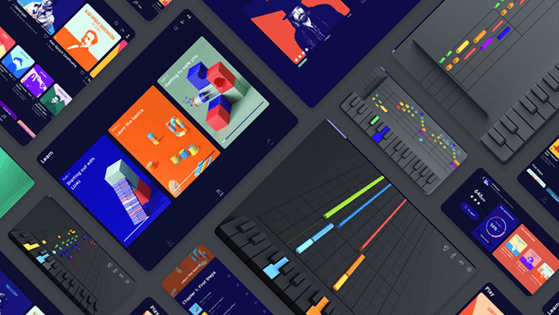
Covid19 has turned our lives upside down with remote working and endless zoom calls. It has made us adopt new ways of thinking and working that are sure to be reflected in the trends we’ll see in user experience (UX) design in 2021. UX design is the process design teams use to create products that provide meaningful and relevant experiences to users. This involves the design of the entire process of acquiring and integrating the product, including aspects of branding, design, usability, and function. Here are a few of the trends predicted for 2021:
Design systems:
Large companies with a portfolio of digital products will either have a design system in place or will be in desperate need for one. A shared library of design components not only saves design time but provides a better and more consistent user experience across a company’s digital touchpoints. In our current world of remote working, having systems in place that enhance collaboration and communication is crucial. We will see organisations that have those systems in place thrive from the benefits of a streamlined design process and take that opportunity to reinvest the time saved into other aspects of their business.
Augmented Reality:
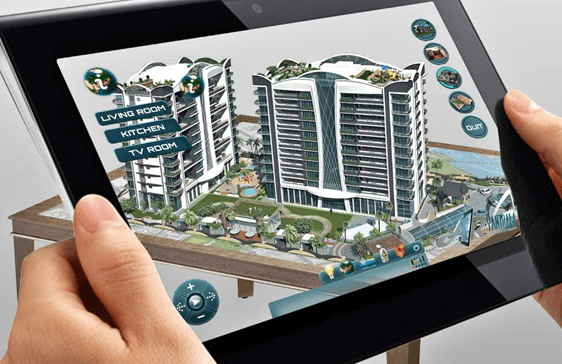
Augmented reality is a technology that superimposes a computer-generated image on a user’s view of the real world, however this is nothing new and in the last few years it has been pushing the boundaries of mobile UX design. With a number of AR apps having launched this year already, there are already enquires for AR experiences.
These experiences have an immense potential for companies in retail, education, property, and entertainment, with experiences like virtual try-ons, enhanced museum experiences and interactive learning. Interactive learning has already been a huge part of 2020, and it looks like we will continue to be seeing it throughout 2021, however this means there is clearly a market for AR and if it can improve the day to day lives of people it can only become more beneficial in the long run.
Inclusive design:
The murder of George Floyd back in May 2020 shocked the world and reignited the Black Lives Matter movement. Thus, sparked conversations about diversity, equality, and inclusivity in general, and also how it applies to UX design. In a survey, 62% said they had a team conversation about DEI at work, and 26% said it was the first time they had done so. With the topic at the forefront of people’s minds, it is believed UX design in 2021 will become more inclusive, taking into consideration the full range of human diversity with respect to ability, language, culture, gender, age, and other forms of human difference.
Personally, my favourite example of interactive design in 2020 was an app designed to help young children grasp the concept of digital money. In a cashless society, understanding the value of money can be tricky. This app however, centres around fun games involving numeracy and the power of play to help create positive habits. The ideology behind it all is that parents set tasks, and kids complete them in exchange for pocket money. The in-game currency unlocks educational games and helps build financial literacy through play. Ultimately making a quite dry topic rewarding and engaging is something other financial institutions could benefit from too. I am definitely looking forward to seeing how they build on it in the future and how these other trends predicted for 2021 will come together.
© GeoBrand. All rights reserved.