Why is good branding important on websites?
Your website can have many purposes but it is an essential tool in showcasing who you are, what you stand for, and how you encourage customer loyalty.

Designing your website with a clear brand ensures consistency and uniformity, fostering credibility and confidence. Your social media pages, blogs, and vlogs are examples of integrated interaction channels to which this principle also applies. Maintaining consistency and forging a consistent brand identity across all channels is essential for building a recognisable and reliable business.
Building brands and building websites?
To comprehend why branding is essential, you must know what it means to develop a brand. Numerous businesses believe branding is merely the construction of a logo or website.
However, your brand encompasses more than just how your company looks. A brand is the culmination of all the elements utilised to characterise and distinguish your organisation. It’s your unique personality, how you make your clients feel, and the message you want to convey. Images, words, logos, advertising campaigns, and any other materials that assist you in establishing a relationship with your target audience are all part of branding. Your company becomes something your customers can understand, support, and even campaign for when you develop a strong brand.
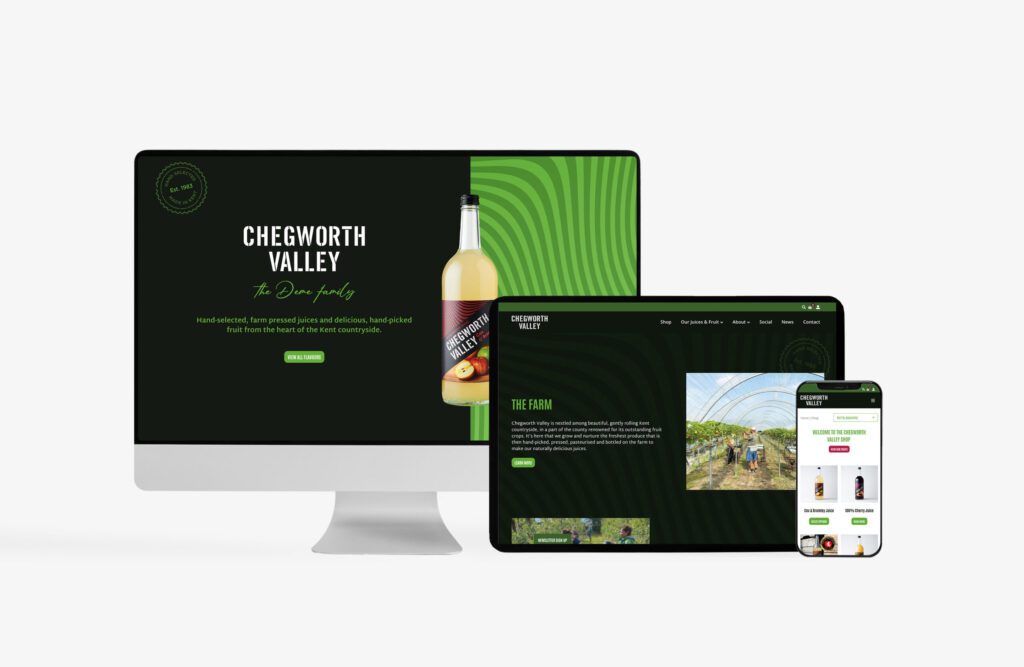
A website can tell a story
With all website builds we ensure to take into consideration the importance of a well-designed website and a clear user experience/journey. Ensuring the website matches the brand and provides a consistent feel is crucial even when pushing the boundaries and creating brand consistency.
Chegworth Valley is a prime example of this consistency within a brand. This is prominently highlighted throughout the website design and bottles. Check out our case study on Chegworth.
The Portman Estate was another prime example in which we had to present over 500 years of history and stories all in one digital space. A timeline can create a really engaging user experience which will captivate audiences and build brand loyalty and familiarity.
Our senior designer gives his thoughts
Picture your website and your product/service as two pieces of a puzzle. When they fit together seamlessly in style, it’s like creates an impactful picture that captures the essence of your brand, etching itself into the minds of everyone who it comes into contact with.
What is required for your website?
1. Clearly Express Yourself
Use a short statement to explain what your brand is all about. Avoid using technical language or business jargon. Instead, consider your audience’s reading level and make your writing simple to read and comprehend. Your website should demonstrate the principles of your company and give your visitors a cause to believe in you.
2. Reliable Design
Go back and visit your favourite websites. The website language, drawings, layout, and photographs are consistent with their brand, as you’ll see when you scroll through the pages. Wouldn’t it be awkward if you used red instead of your brand’s signature blue? A brand’s recognition is increased by colour by 80%, so make sure you stick to the same style everywhere.
3. Business Details
Users who visit your website want information as soon as possible. They are curious about the location of that information on your website. If you run a clothing brand, for example, your target market should quickly be able to see the things you have on display and for sale.
4. Consider your audience
Who are you trying to reach and what will appeal to them? When thinking about design and visual tone of voice consider who will be on your website and what will entice them to visit, buy or contact you. Fest and Revel is a great example of how style has been specifically tailored to appeal to their young, fun and vibrant audience.
The impact of effective branding
Many business owners don’t consider the importance of branding until it’s too late. A strong brand cannot be neglected. It must be a component of everything you create, say, and do within your organisation. Along with your name and logo, your brand should be evident in how your products are designed, how you go to market, and how you handle customer service, instead of simply fading into obscurity amid other generic businesses.
© GeoBrand. All rights reserved.