Building a website to build a community
Building communities can increase brand advocacy and customer loyalty.
Consumers are getting more access to the facts and opinions of firms in the current era of openness throughout the web. There is a ton of information to process, from social media platforms to the world of e-commerce, and customers base their judgments on this information.
Our website community experiences
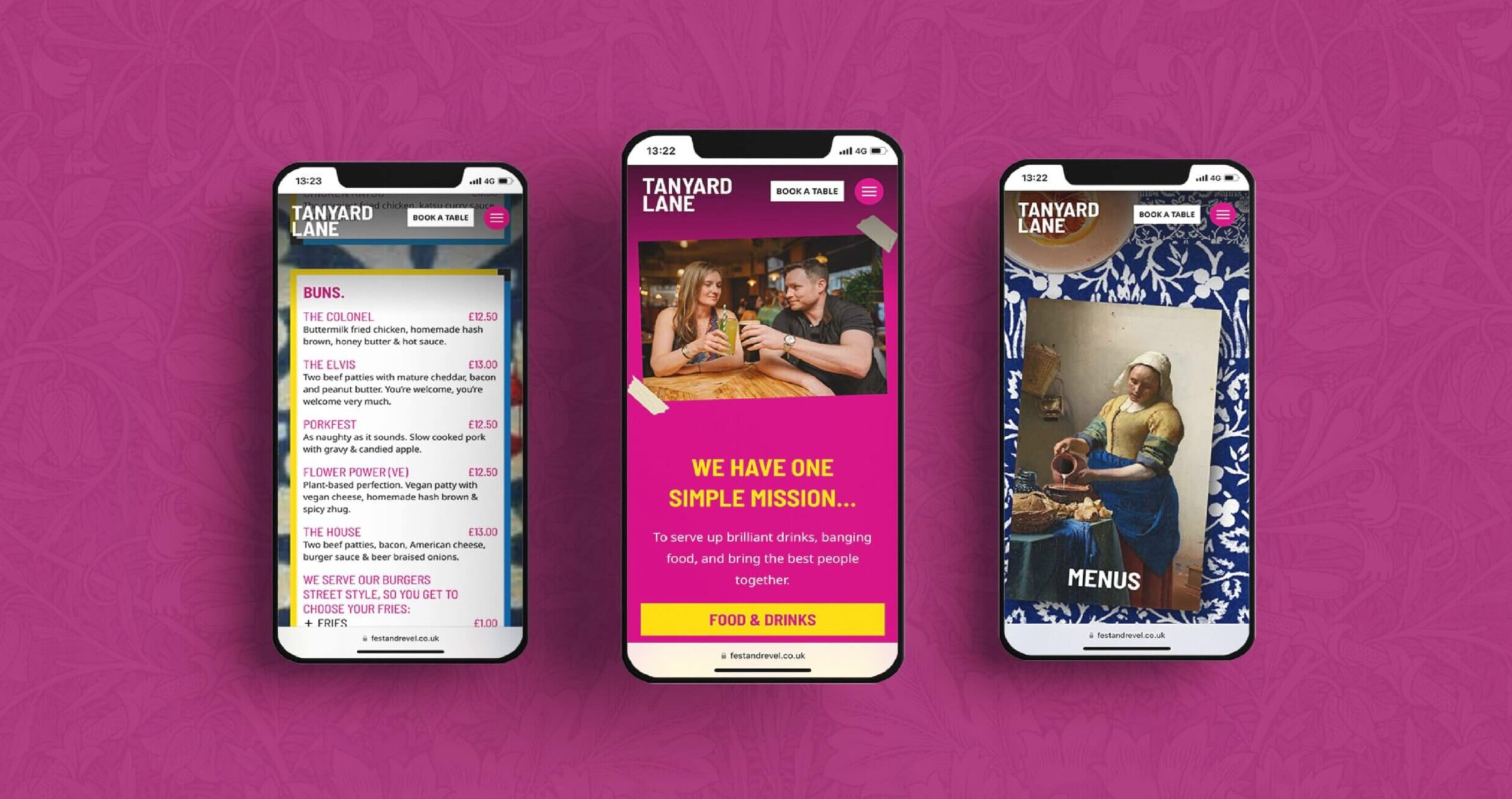
We have worked with a wide range of websites, including Fest & Revel, Portman Marylebone, Young Freeman and many others, that have developed communities in various ways. Although the definition of a community is not always obvious, each e-commerce platform will build a community of customers who can use and purchase the products.
For instance, Fest & Revel has created a community via its exciting, contemporary, and unique setting that attracts consumers back to the pubs.

What exactly is a community website?
People congregate on a community website to talk, share knowledge, learn, and have fun. Social media websites are technically community websites. The likes of Facebook, Twitter, Instagram, etc., are a few examples.
Even though social media platforms are community websites, you are not required to create a project that the entire globe will want to use. In actuality, refraining is preferable. The secret to building a thriving online community is to keep it private and well-moderated.
Discord servers perfectly exemplify private online communities. Anyone can create an account, but you need an invitation to join a specific server. Discord is a fantastic tool for live chats, but the most robust online communities are built with WordPress.
Encourage dynamic partnerships
Listening to their customers is one of the most beneficial things that communities allow businesses to do. Communities support growth, but they are also a great source of honest feedback for businesses.
Customers are quite open about their interactions within local communities. They might not be as forthright and sincere on social media sites. While some businesses find this intimidating, others welcome it. Our opinion? Put it to use! Any kind of honest feedback, positive or bad, can be beneficial to you.
There probably is a gap to fill if customers consistently offer you negative feedback about a particular product, your delivery strategy, or your e-commerce website. Customers go through the complete user journey from beginning to end, and reviews say volumes. Before making a purchase, 97% of online shoppers check reviews. Use the knowledge and expertise that buyers have to your advantage.

Increases brand awareness
We are all aware of the influence of word-of-mouth. It’s the oldest type of marketing, and it’s still effective today. It is obvious that individuals seek out recommendations for businesses from friends and relatives. According to a study, 91% of millennials stated they would think about buying a product if a friend suggested it. It’s an important component of a company and ought to be included in your business strategy.
In a sense, those that positively promote your company are unofficial brand ambassadors. In order to foster loyalty, corporations frequently take the time and effort to reward these ambassadors. Although it may seem time-consuming, consumers enjoy receiving rewards, and brands recognise the worth of this investment.
Increases the quality of the client support
Communities provide a forum for people to discuss their experiences, but users can also post requests for assistance in communities. Customer service plays a significant role in business operations, and influential communities offer members advice.
Support-related discussions also foster a sense of community and motivate other participants to share, take in knowledge, and participate more frequently. The best thing about businesses owning a community is the promotion of discourse. Compared to reading an educational blog post or watching a how-to video alone, it offers customers a more meaningful experience.
© GeoBrand. All rights reserved.